

What is Inbound Marketing?
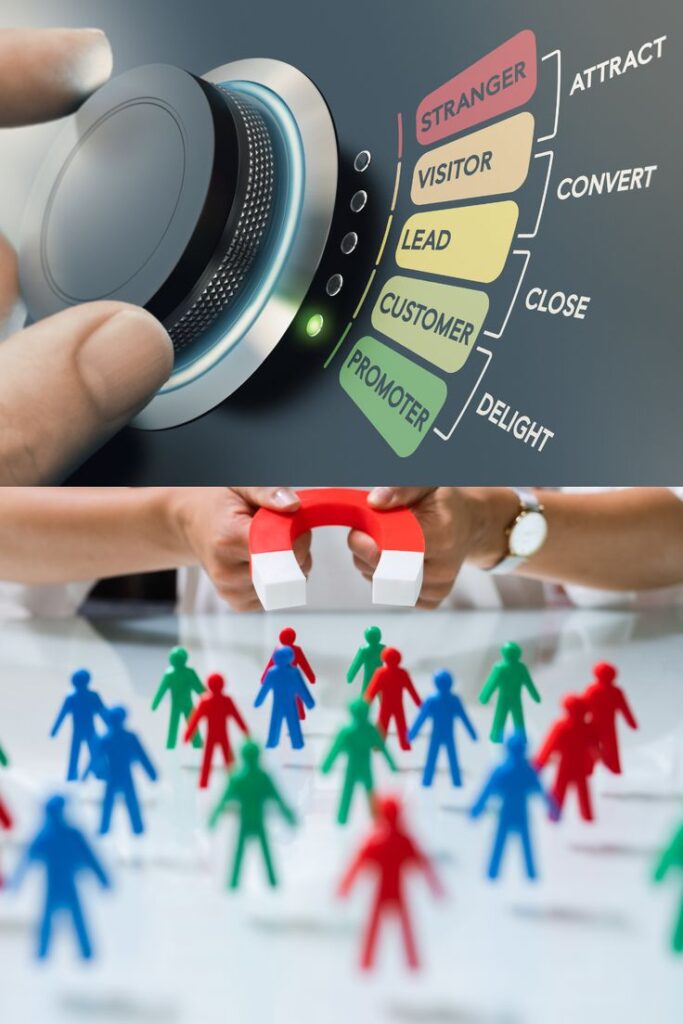
Giving them useful and relevant material rather than overwhelming them with advertisements is known as inbound marketing. Unlike traditional advertisements, which go out and locate people, inbound marketing uses the following strategies to get people to come to you:
Blog entries that are helpful
Educational videos
Advice for social media
Free e-books or guides
This approach fosters respect for the client and increases trust. You’re assisting them in solving an issue, not pressuring them to make a purchase.
Real-Life Example:
Let’s say you wish to purchase a new laptop.
You look up “best laptops for college students” on Google.
The best 5 laptops, their costs, features, and advice are all explained in detail on a site run by a computer company.
You return to this brand’s website because you believe it has benefited you.
That is an example of inbound marketing.

Why Inbound Marketing Matters in 2025
By 2025, people are more knowledgeable than ever about the internet. They dislike having advertisements interrupt them. They watch videos on YouTube, conduct Google searches, and follow useful brands on LinkedIn and Instagram.
Because it provides people with what they want, when they want it, inbound marketing is crucial.
Rather than pressuring them to purchase, you draw them in with content that:
resolves their issue
responds to their inquiries
increases brand trust
Additionally, inbound marketing performs better in 2025 due to:
Voice search (such as asking Alexa or Google) and SEO
Videos and reels for social media
Automation of email marketing
AI-powered content personalization tools
Key Stages of Inbound Marketing: Attract, Engage, Delight
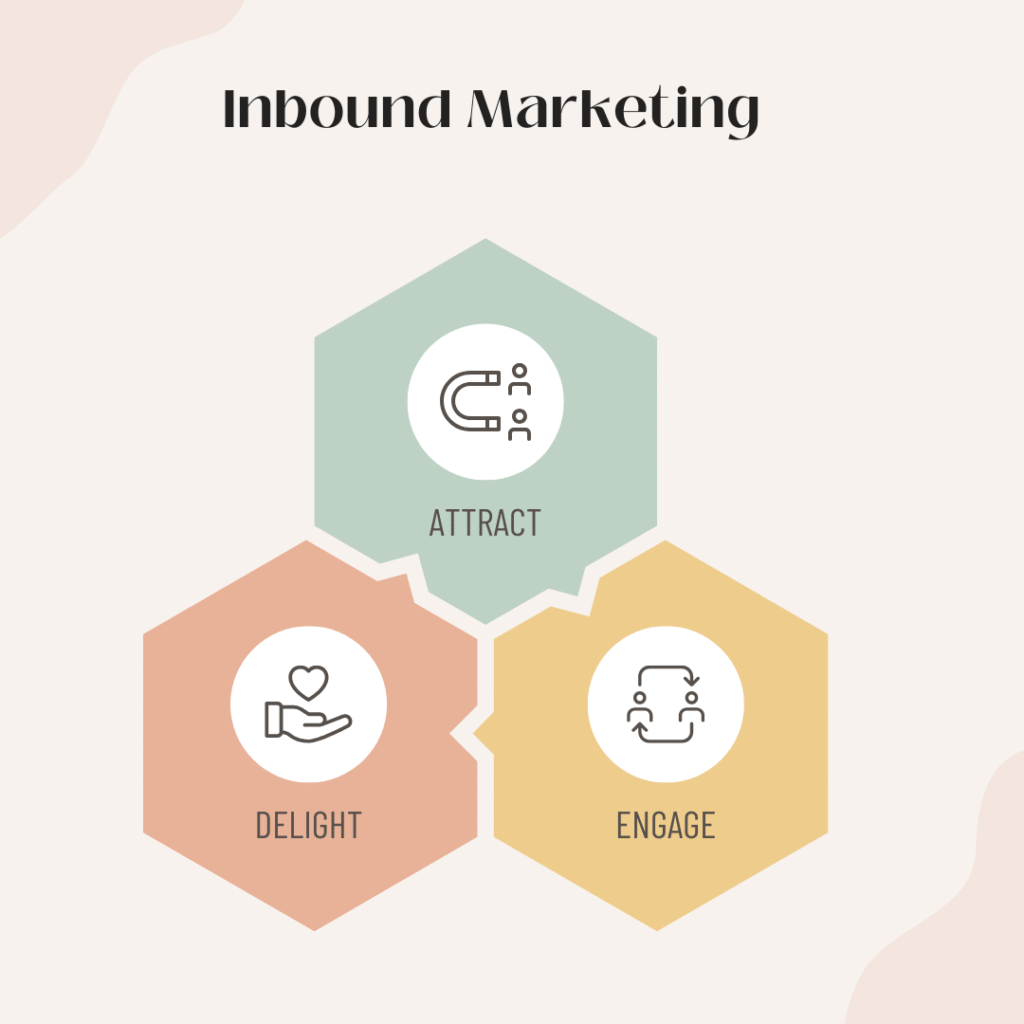
In three easy steps, inbound marketing is similar to forming a friendship with your customer:
| Stage | What It Means | What You Can Do |
|---|---|---|
| 1. Attract | Bring people to your website or page | Write blogs, use SEO, post on social media |
| 2. Engage | Talk to them and understand their needs | Use live chat, emails, videos, helpful content |
| 3. Delight | Make them happy so they come back or tell others | Offer great service, free tips, support, feedback |
Types of Content Used in Inbound Marketing
The best results from inbound marketing come from producing informative and helpful content for your audience.
The most typical content categories that you can utilize are as follows:
1. Blog Posts
Provide step-by-step instructions, clarify advice, and respond to frequently asked issues.
“Top 5 Digital Marketing Trends in 2025” is one example.
2. Videos
Short reels, YouTube videos, or tutorials are great for explaining topics in a fun way.
Example: A short video on “How SEO Helps Small Businesses Grow”
3. Infographics
These are examples that provide a clear explanation of a procedure or concept.
A representation of the steps involved in inbound marketing is an example.
4. E-books & Guides
longer material available for download. Emails can be gathered in this manner.
“Free eBook – Beginner’s Guide to Inbound Marketing” is one example.
5. Social Media Posts
Quick advice, sayings, carousels, or instructive content posted on Facebook, Instagram, or LinkedIn.
For instance, an article with the headline “3 Digital Marketing Mistakes to Avoid”
How to Build an Inbound Marketing Strategy
A plan to help people find you, trust you, and ultimately choose you is known as an inbound marketing approach.
You have to understand who your audience is.
Who are they? What are they looking for? What issues are they seeking to resolve?
Small business owners, for instance, may be searching for “how to grow business using digital marketing.”
The first step in creating a successful inbound marketing plan is to have a thorough understanding of your target audience, including their demographics, issues they encounter, and the kind of content they look for online. Establish specific objectives, such as raising website traffic, generating leads, or enhancing brand awareness, after you have a better understanding of your audience. Next, begin producing informative or helpful material for your audience, such as blog entries, videos, infographics, or social media advice. Make sure the queries and demands of your target audience are the basis for your content. When your material is prepared, use pertinent keywords to optimize it for search engines (such as “what is inbound marketing”) so that it shows up in Google search results. Promote your material on many channels, including Instagram, after it has been published.
Inbound Marketing vs Outbound Marketing
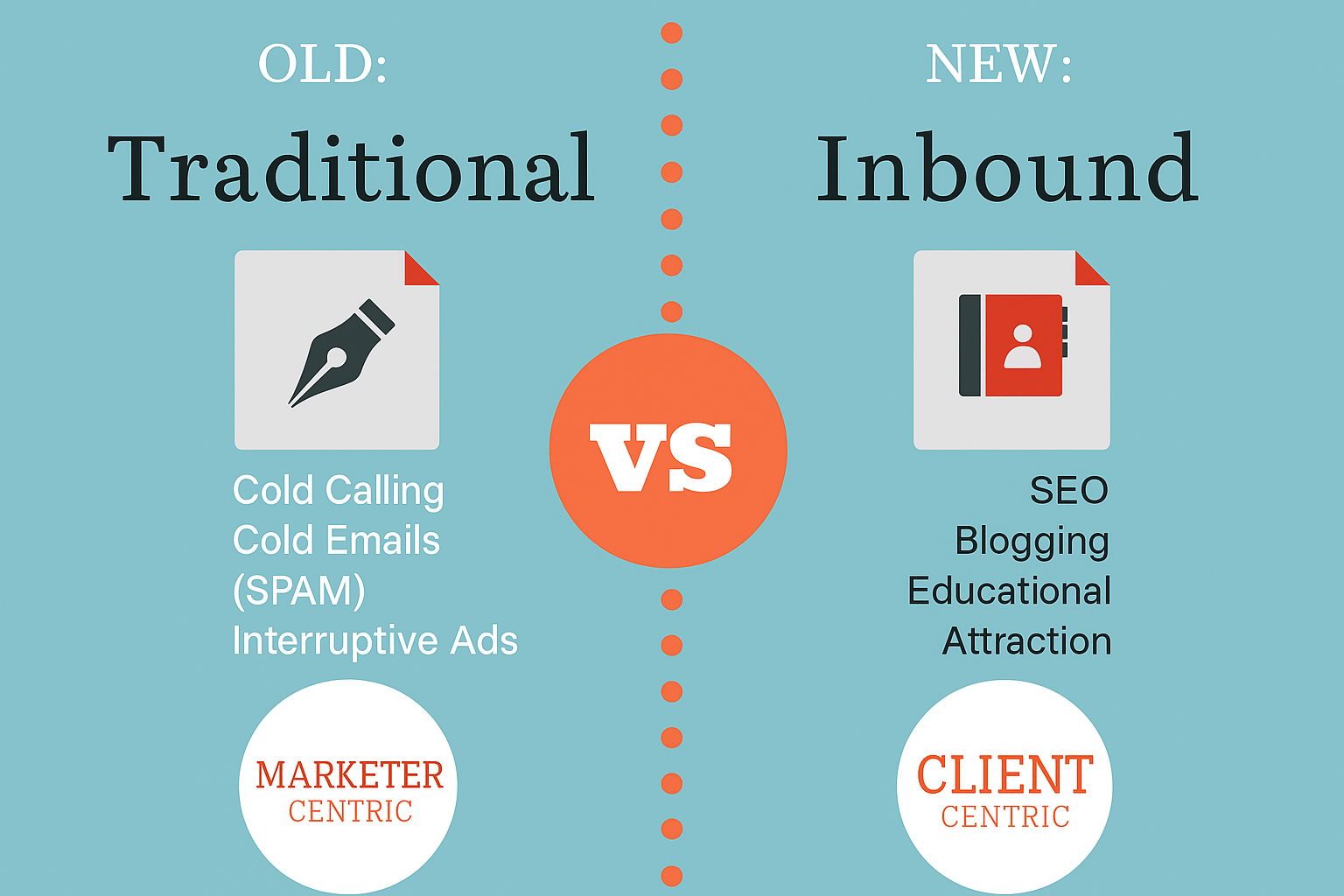
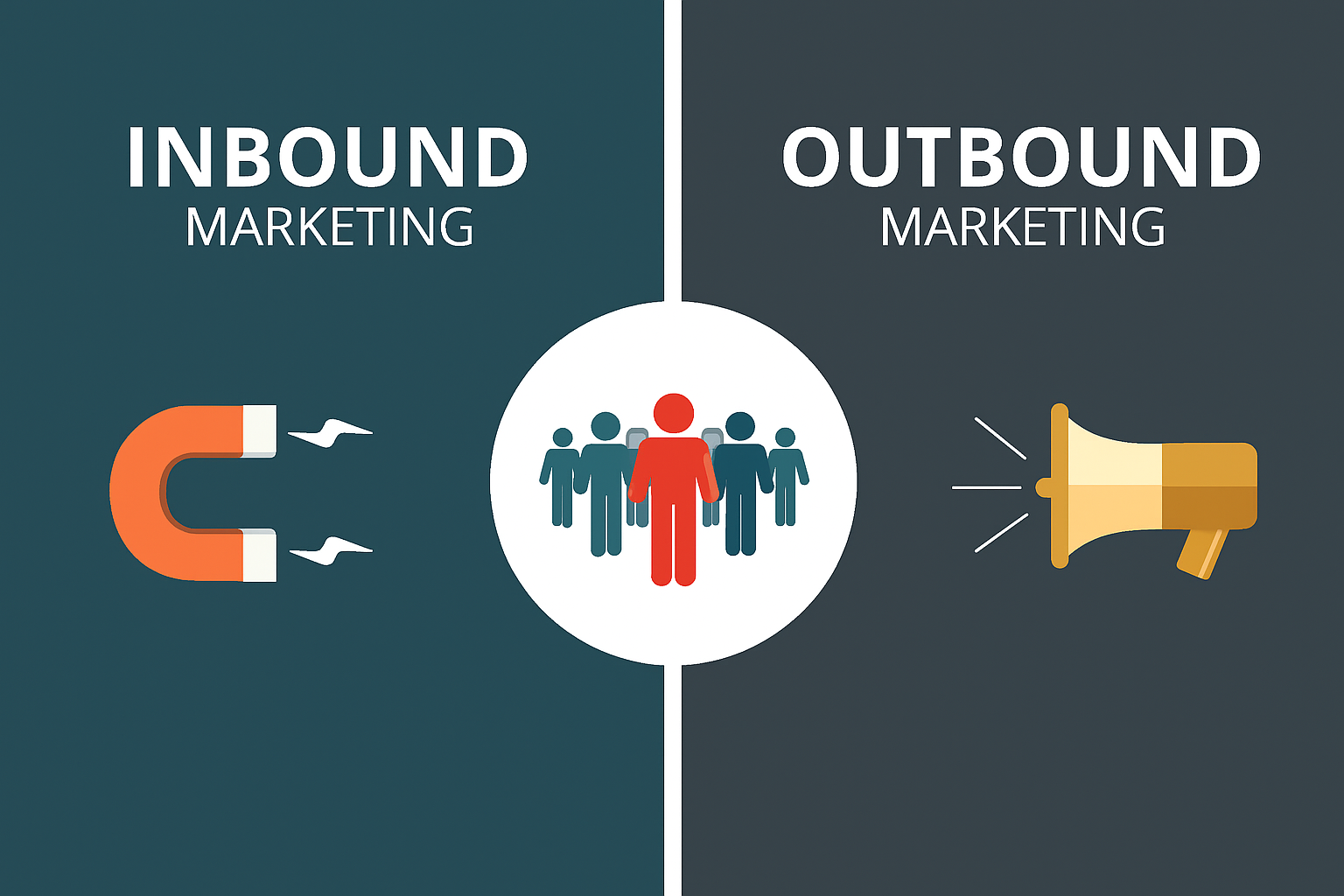
There are two distinct methods for reaching customers: inbound marketing and outbound marketing. The goal of inbound marketing is to draw customers in by providing them with useful material that addresses their queries or resolves their issues. It’s similar to helping others first, then allowing them choose whether or not to engage with your business. This entails producing blogs, social media posts, videos, and articles that are optimized for search engines. Outbound marketing, on the other hand, is the conventional approach to business promotion that involves distributing your message to individuals regardless of their interest. Examples of this include banner ads, TV commercials, cold calls, and leaflets. People approach you when they’re ready, so inbound marketing feels more organic. People are frequently interrupted by advertising when they are reading or watching anything else.
People prefer inbound marketing in today’s jalytic digital age because it respects their time and provides value. Additionally, it saves money and fosters enduring trust. In certain areas, outbound marketing is still effective, but inbound is superior for establishing rapport and gradually drawing in high-quality prospects. Inbound marketing is a better, more cost-effective approach to expand your small business or startup.
| Inbound Marketing | Outbound Marketing |
|---|---|
| Attracts customers naturally | Pushes messages to the audience |
| Uses blogs, SEO, videos, social media | Uses TV ads, cold calls, print ads |
| Focused on helping and educating | Focused on selling directly |
| People come to you when they need you | You reach out whether they need it or not |
| Builds trust over time | Often interrupts or annoys |
| Cost-effective and long-lasting | Usually more expensive and short-term |
Tools and Platforms for Inbound Marketing
You need the appropriate platforms and tools to produce, distribute, and monitor your content if you want your inbound marketing campaign to be effective. With the use of these tools, you can increase your reach, save time, and determine what is effective. One of the most well-known platforms is HubSpot, which provides lead tracking, email marketing, SEO, and blogging features in one location. Another essential tool is Google Analytics, which lets you know how many people are visiting your website, where they are coming from, and what kind of information they are interested in. You may plan posts ahead of time on social networking sites like Instagram, LinkedIn, and others with programs like Buffer or Hootsuite.
Facebook. Platforms like as Mailchimp, ConvertKit, or Sender.net can assist you in creating polished emails and monitoring open rates if you send them. Ubersuggest, SEMrush, and Ahrefs are excellent SEO tools for identifying keywords and monitoring your website’s Google performance. Even if you’re not a designer, you can easily generate visuals or infographics for your material with platforms like Canva. Your inbound marketing plan might become more effective and potent if you use these tools properly.
SEO’s Role in Inbound Marketing
Inbound marketing heavily relies on SEO (Search Engine Optimization), which makes your content more visible on search engines like Google. Google provides user-friendly, keyword-rich results when someone types in a query like “What is inbound marketing?” Your website or blog may rank on the first page if it is properly optimized for search engines, which will increase traffic to your company at no cost. We refer to this as organic traffic. SEO encompasses more than simply keywords; it also involves creating high-quality content, employing appropriate headings, including alt-text images, making sure your website loads quickly, and obtaining backlinks from reliable websites. People will find your material more easily when they search for it if your SEO is strong subjects that you have written about. For instance, Jalytic Digital’s blog, “Top Inbound Marketing Tips for Small Businesses,” can rank highly in Google if it employs the proper SEO techniques. This will help your brand gain recognition without having to spend money on advertisements. To put it briefly, SEO increases the visibility, value, and effectiveness of your inbound marketing content in drawing in the target audience .

Measuring the Success of Inbound Marketing
It’s crucial to assess whether your inbound marketing content is truly effective after creating and sharing it. We refer to this as measuring success. To monitor performance, you can use either free tools like Google Analytics and Google Search Console or premium products like HubSpot. Website traffic is the first thing to look at; how many people are coming to your blog or website? Next, check the bounce rate to see if visitors are staying to read or departing right away. Conversion rate, or the number of visitors who become leads or customers, is another important indicator. A successful conversion occurs, for instance, when a user completes a contact form or downloads your free eBook. Additionally, you should monitor social media activity (likes, comments, click-through rates, and email open rates). shares). These figures demonstrate the level of interest in your material. By monitoring these outcomes over time, you may learn what works best and produce even better content. Inbound marketing success is measured by long-term growth, trust, and genuine connections with your audience rather than by quick results.
Common Mistakes in Inbound Marketing
Despite the effectiveness of inbound marketing, many novices make a few basic blunders that hinder the effectiveness of their content. Not knowing who your target audience is is one of the worst blunders you can make. People will overlook your content if you don’t know who you’re assisting or what issues they’re facing. Writing without SEO is another typical error; if you don’t use the correct keywords, Google won’t find your blog or video. Additionally, some marketers produce content but neglect to advertise it. It’s not enough to just write a blog; you also need to share it via emails, social media, and maybe WhatsApp groups. Anticipating quick results is another error. It takes time to do inbound marketing. The game is not one-day or one-week. You must have patience and consistency. Lastly, some people never check which information succeeds or fails; they never keep track of their results. Without monitoring, you can’t get better. Planning your approach, knowing your target, using SEO, promoting your content, and continuously learning from the data are the greatest ways to steer clear of these mistakes.
Real-Life Inbound Marketing Examples
Analyzing real-world examples makes it easier to understand how inbound marketing operates. Assume that a blog post titled “Top 10 Digital Marketing Tips for Small Businesses in India” is written by a digital agency such as Jalytic Digital. This blog is useful and optimized for search engines. A small business owner discovers the article while conducting a Google search. After reading it and taking the advice seriously, they either fill out a contact form or subscribe to Jalytic’s newsletter. This is an example of inbound marketing in action: generating leads by prioritizing value.
Another example might be a video titled “How to Grow Your Instagram Without Ads” produced by a YouTube channel. It offers helpful, free advice. After seeing it, viewers visit the website mentioned in the video description and like the channel. This is exactly how inbound marketing works: it creates trust and attracts visitors without using direct advertisements.
An eBook download might be a third example. “Complete Beginner’s Guide to SEO in 2025” is a free PDF guide that a corporation is offering. Users input their email address to obtain it. Now, the user has acquired value and the business has gained a new lead—a win-win situation!
These illustrations demonstrate how inbound marketing prioritizes establishing connections, providing long-term value, and assisting first.
Future Trends in Inbound Marketing
As inbound marketing continues to develop, a number of emerging trends in 2025 will influence how companies reach and engage with their target audience. The use of artificial intelligence (AI) in content generation and personalization is one of the most popular trends. AI-powered emails and ChatGPT are two examples of tools that assist marketers in providing more individualized and user-specific content. Video-first content, particularly short videos on sites like YouTube Shorts, Instagram Reels, and TikTok, is another trend that is becoming more popular than blogging.
As more consumers ask inquiries using voice assistants like Google and Alexa, voice search optimization is also becoming more popular. This implies that companies must produce material that provides straightforward and understandable responses to queries. In order to engage users and keep them on your website longer, interactive material such as polls, calculators, and quizzes is also growing in popularity. Last but not least, intelligent workflows for email marketing, lead creation, and customer follow-ups are making inbound marketing increasingly automated.
According to these trends, inbound marketing in 2025 will focus more on intelligent content, human connection, and quicker interaction, all of which will help companies gain credibility in a world that prioritizes digitalization.